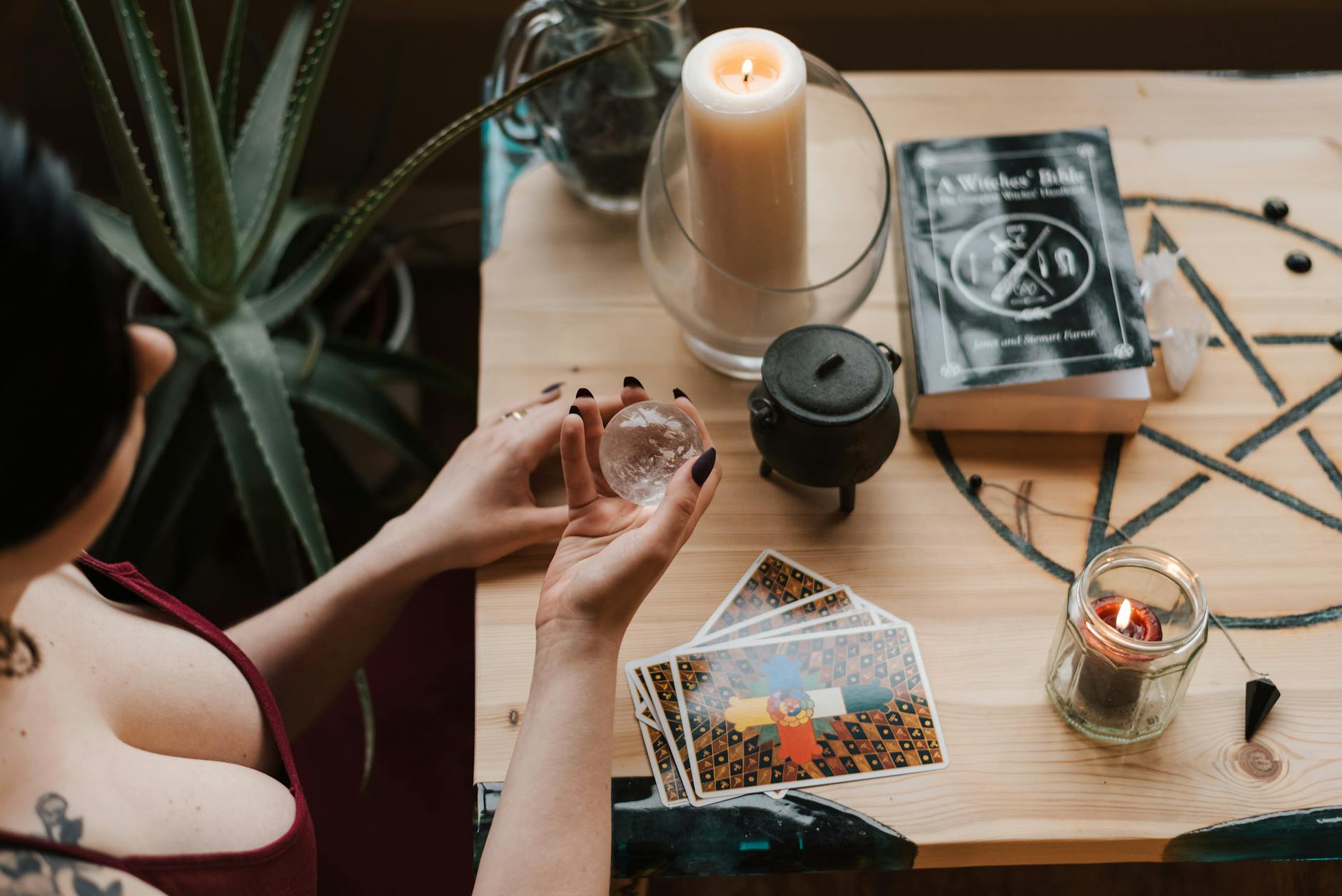
In recent years, there’s been a noticeable rise in the popularity of witchcraft practices—tarot reading, spellcasting, moon rituals, and ancestral connection. What might feel like a “sudden” resurgence is, in truth, part of a historical rhythm: when traditional systems falter, people turn toward spiritual practices that offer meaning, empowerment, and community.
A Pattern Across Time
Throughout history, whenever societies faced upheaval—wars, political unrest, economic collapse—people often turned to alternative systems of wisdom. Ronald Hutton, in The Triumph of the Moon (1999), shows how modern Pagan witchcraft re-emerged in the 20th century during times of cultural upheaval. Similarly, sociologist Boris Gershman found in his study of witchcraft beliefs across 95 countries that such practices are most common in areas where institutional trust is weak and communities turn inward for resilience (PNAS Nexus, 2022).
We are living through a similar cycle now. Climate change, systemic inequality, and the breakdown of traditional institutions have left many searching for new anchors of safety. Witchcraft, tarot, and energy work offer not just answers, but also agency in uncertain times.
Inner and Ancestral Knowledge
For many, this revival isn’t about “trendiness” at all—it’s about reconnecting with generational knowledge. Silvia Federici reminds us in Witches, Witch-Hunting, and Women (2018) that these practices often preserved knowledge about healing, herbs, and resistance during periods of systemic control. Rediscovering them today can feel like reclaiming a birthright.
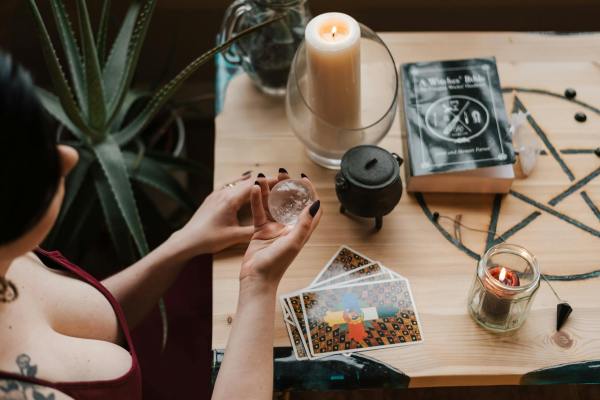
Tarot cards, for example, aren’t just tools for fortune-telling; they serve as mirrors for self-reflection, inviting people to look inward when the outside world feels unstable. (If you’d like to explore this further, check out my post on How Intuition, Self-Confidence & Happiness Work Together.)
Building New Communities
One of the most beautiful aspects of this resurgence is the creation of supportive spiritual communities. From online circles to neighborhood covens, people are forming networks that prioritize healing, empowerment, and shared wisdom. As anthropologist Susan Greenwood notes in Magic, Witchcraft and the Otherworld (2000), ritual and magic often serve as tools of belonging and identity, especially when mainstream structures feel alienating.
These spaces often feel safer and more authentic than traditional institutions because they center lived experience, intuition, and mutual respect.
Why It Matters Now
The return of witchcraft practices is not simply about casting spells or drawing cards—it’s a cultural reawakening. It reminds us that humans have always turned to both the mystical and the practical in times of uncertainty. By reconnecting with these traditions, we’re not just seeking guidance; we’re building resilience, reclaiming power, and finding each other again.
✨ Whether you’re just curious about tarot or deep in your spiritual practice, this resurgence is an invitation: to explore your inner wisdom, connect with your roots, and participate in a movement that blends the ancient with the modern.
👉 Curious to explore tarot and witchcraft practices more deeply? Join the free Mystic Harmony Circle community on Skool, where we share ancestral wisdom, rituals, and spiritual support in a safe and empowering space.